
Why hashtags no longer drive social media growth?
- Jun 3
- 5 min read

Rise and fall of hashtags
Hashtags began on Twitter in 2007 as a way to organize conversations online. What started as a simple user-created tool quickly became one of the defining features of social media. During events like the 2007 San Diego fires and the 2009 Iran protests, hashtags helped people follow real-time updates and conversations, proving how useful they could be for content discovery.
Over the next decade, hashtags spread across platforms like Instagram, Facebook, LinkedIn, Pinterest, and YouTube. Brands also embraced them for campaigns and community building. One of the most successful examples was Coca-Cola’s #ShareACoke campaign, which encouraged people to share personalized Coke bottles online and reportedly helped boost sales after years of decline.
For years, hashtags were treated as social media growth hacks. Creators added long lists of tags to posts hoping to increase reach and appear on explore pages or trending sections. But social media platforms have changed dramatically.
Modern algorithms now understand content through captions, keywords, comments, visuals, video audio, watch time, and audience behavior. Platforms no longer rely heavily on hashtags to understand what content is about. Instead of needing “#fitness” to identify a workout video, algorithms can now analyze the actual video, caption, and user engagement patterns directly.
At the same time, excessive hashtag use started feeling spammy. Platforms began discouraging hashtag stuffing, and many reduced their importance entirely. Today, hashtags work more as categorization tools than major growth drivers.
Platform-by-platform analysis
X (Twitter)
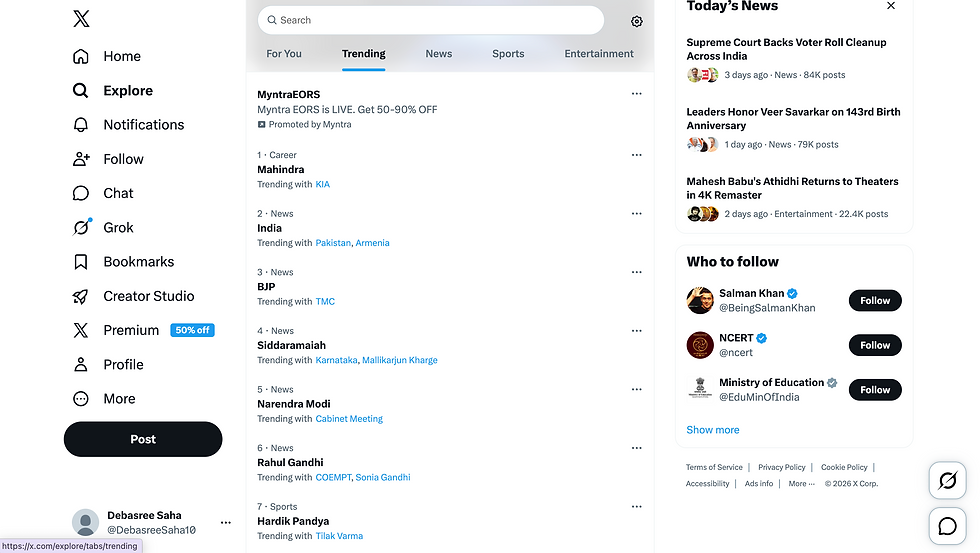
X (formerly Twitter) was once the center of hashtag culture. Trending hashtags shaped internet conversations during sports events, award shows, protests, elections, and global news moments. Using hashtags like #WorldCup or #Oscars helped users join massive public conversations instantly. Today, hashtags matter far less on the platform.
The algorithm now focuses more on engagement, replies, relevance, and user interests than hashtag usage. In fact, overusing hashtags often hurts readability and makes posts feel promotional. Research from Buffer found that tweets with more than two hashtags received lower engagement compared to tweets using one or two relevant tags.
Even platform leadership has openly reduced emphasis on hashtags. X has discouraged hashtag-heavy advertising, and the platform’s overall design now prioritizes conversational content over searchable tags.
That said, hashtags still work during live events, trending moments, or branded campaigns. For example:
On X, hashtags now work best when they are timely and contextual rather than permanent growth tools.
Instagram is where hashtags experienced their biggest rise and arguably their biggest decline. A few years ago, creators routinely added 20–30 hashtags to posts because hashtags heavily influenced the explore page and content discovery. Entire strategies revolved around finding “high-performing” hashtags.
Today, Instagram’s algorithm works very differently. The platform now analyzes caption keywords, reel audio, on-screen text, user engagement, watch time, content relevance.
Instagram’s head, Adam Mosseri, has repeatedly stated that hashtags do not significantly boost reach the way they once did. Instagram now recommends using only a few highly relevant hashtags instead of long hashtag lists. For example, #ColdProcessedSoap, #SkincareTips, #VintageBikes. These niche hashtags still help categorize content and connect creators with specific communities. However, broad generic hashtags like #Love, #Trending, or #InstaGood provide little meaningful value because millions of posts compete under them.
Hashtags on Instagram still help slightly with discoverability, especially for smaller creators or niche topics, but content quality matters far more than hashtags themselves.

Hashtags have never been particularly important on Facebook. Discovery on the platform mainly happens through Pages, Groups, recommendations, and shares rather than hashtag searches. Using one or two relevant hashtags occasionally is fine, especially when cross-posting content, but hashtags rarely drive significant reach on Facebook.

Hashtags still have moderate value on LinkedIn because they help categorize professional content by industry or topic. Using a few relevant hashtags like #MarketingTips, #Leadership, or #FutureOfWork can help LinkedIn understand who may find the post relevant. However, hashtags work best when paired with valuable insights and strong writing rather than being used excessively.
YouTube
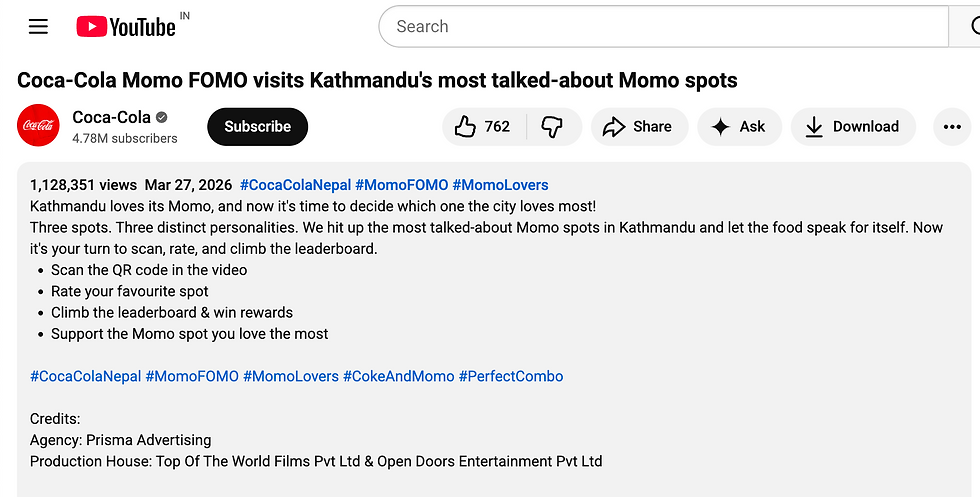
YouTube hashtags are still searchable and clickable, especially in video descriptions. They can help users discover related content and topics.
However, YouTube mainly prioritizes titles, thumbnails, watch time, and keywords in descriptions for recommendations. Hashtags work better as navigation tools than major SEO drivers, so using only a few targeted hashtags is usually the best approach.
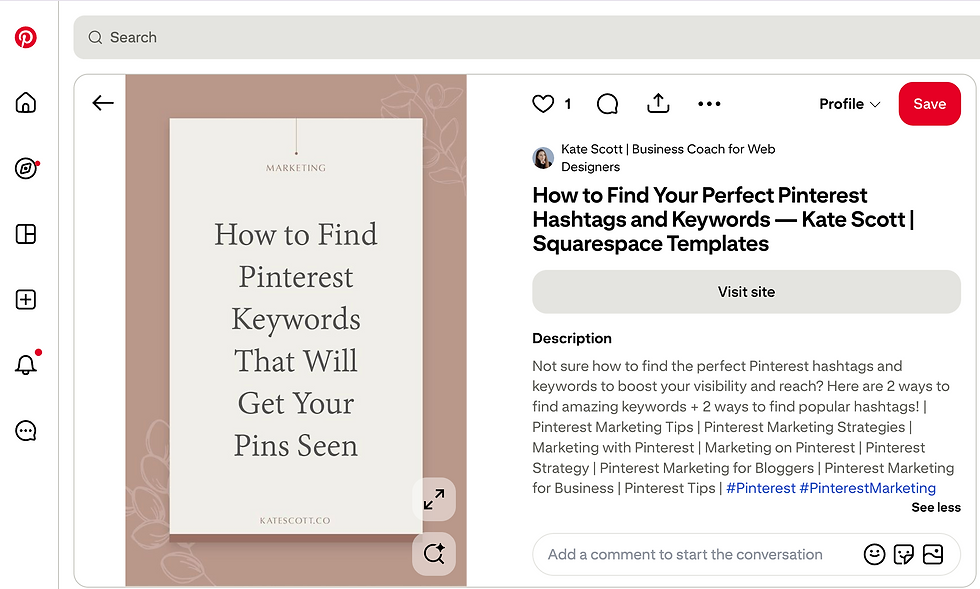
Pinterest functions more like a visual search engine than a hashtag-driven social platform. Keywords in titles, descriptions, and images matter far more than hashtags.
A few relevant hashtags can sometimes support short-term visibility, but content quality and keyword optimization are much more important for long-term reach.

Reddit does not rely on hashtags. The platform is organized through subreddits and keyword-based discovery instead. For visibility on Reddit, participating in relevant communities and writing clear post titles matters far more than hashtags.
Do hashtags still work?
Hashtags are not completely dead, but they no longer work the way they did a decade ago.
Today, hashtags are most useful for:
Categorizing content
Joining niche communities
Supporting branded campaigns
Helping algorithms understand post topics
Their impact is strongest on platforms like LinkedIn, Instagram, and YouTube, while platforms like Reddit and Facebook rely much less on them. The biggest shift is that hashtags are no longer enough on their own. Platforms now prioritize:
Content quality
Audience engagement
Watch time
Keywords and captions
Relevance and user behavior
A post with strong storytelling and clear messaging will usually perform better than a weak post filled with trending hashtags.
When hashtags help, and when they don’t

Hashtags still work best when they are used intentionally instead of automatically. For example, a skincare brand posting about handmade soaps may benefit more from focused hashtags like #ColdProcessedSoap or #SkincareTips than from generic hashtags like #Love or #Trending.
At the same time, overusing hashtags can make content look cluttered, overly promotional, or outdated. Using unrelated trending hashtags can also confuse algorithms and attract the wrong audience.
The most effective strategy today is to treat hashtags as supporting tools rather than growth hacks. A few relevant hashtags can still improve discoverability, but valuable content remains the real driver of reach and engagement.
Final takeaway
Hashtags are not dead, but their role has changed. They are no longer powerful growth shortcuts capable of dramatically boosting reach on their own. Instead, they now act mainly as content categorization tools that help platforms understand what a post is about. Hashtags still work best on platforms like LinkedIn, Instagram, and YouTube when used strategically and sparingly. On platforms like Reddit and Facebook, their impact is minimal.
In 2026, successful social media strategies depend far more on strong content, clear messaging, audience relevance, and platform-native storytelling than on hashtag stuffing.


Comments