
What is the difference between boosting ads on instagram and running ads on meta?

If you’ve ever handled an Instagram page, whether for your own brand, a client, or even just for fun you’ve probably come across the “Boost Post” button.
It almost feels like Instagram is nudging you. “This post is doing well… want to show it to more people?”
And it’s tempting. You tap it, set a budget, and within minutes your post is being promoted. But somewhere along the way, you hear marketers talk about something else entirely, Meta Ads Manager. Campaigns, ad sets, targeting, conversions. It suddenly sounds technical, maybe even intimidating.
So the question naturally comes up: Is boosting a post the same as running ads on Meta?
The answer is simple, but important. They are not the same and understanding the difference can completely change how your marketing performs.
How boosting on instagram works

Let’s start with what most people try first. Boosting a post is Instagram’s easiest way to advertise. You’re not creating anything new. You’re simply taking a piece of content that already exists and paying to show it to more people.
Boosting often gets dismissed as “too basic,” but that’s not entirely fair.
When you boost a post on Instagram, you’re promoting existing content to a wider audience. And yes, you can still make a few important choices:
You can select a target audience
You can geo-target (for example, people within a specific city or radius)
You can choose interests
You can set your budget and duration
There’s a reason it’s so popular. It requires almost no learning curve.
You don’t need to understand campaign objectives or audience segmentation. You just pick a few preferences, set a budget, and let Instagram do the rest.
In many ways, boosting feels like an extension of organic posting. You create content, it performs well, and then you give it a little push. And to be fair, it works, especially when your goal is visibility. If you’re a local café, a salon, or even a small brand trying to get noticed, boosting can help you reach more people in your area without overcomplicating things.
But that simplicity comes with a trade-off.
So then, what makes meta ads different from instagram ads

The difference starts to show when your goals become more specific.
With Meta Ads Manager, you’re not just promoting a post, you’re building a campaign with a clear objective.
Instead of asking, “Who should see this?” You start asking, “What action do I want from them?”
Do you want:
Website purchases
Lead form submissions
App installs
Add-to-cart actions
Meta Ads are designed to optimize for these outcomes. That’s a layer of control that Instagram boosting doesn't fully offer.
The difference you start to feel

At first, the contrast between boosting and Meta Ads might seem technical. But once you actually use both, the difference becomes very real.
When you boost a post, you’re mostly relying on Instagram to figure things out. You give it a broad idea of your audience, and it distributes your content accordingly.
One of the biggest misconceptions is that boosting is just a “simpler version” of ads.
It’s not.
It’s a restricted version.
When you run Meta Ads, you take control.
You decide exactly who should see your ad. Not just their age or location, but their interests, behaviors, and even how they’ve interacted with your brand before.
For example, you can show ads specifically to people who:
Visited your website but didn’t buy
Engaged with your Instagram page recently
Are similar to your existing customers
Infact you can also create funnels, which will help you create a conversion strategy.
Bringing customers from the stage of awareness to conversion is strategic and needs proper planning. This can be managed and controlled only on Meta and not via Instagram boosting.
Why big brands don’t rely on boosting
A local bakery boosting a post about fresh desserts can use geo-targeting to reach people nearby. That’s effective, simple, and often enough.
But a brand like Nike launching a new product line is not just looking for reach. They want conversions, data, and scalability. That’s where structured campaigns through Meta Ads Manager come in. Even brands like Zomato rely heavily on advanced ad setups to drive repeat orders and app engagement, not just visibility.
Both approaches are valid. They just serve different levels of need.
Where boosting works best
Boosting is often underestimated, but it shines in specific situations:
When you want to increase reach quickly
When a post is already performing well organically
When your goal is local awareness
When you’re just starting out with ads
Where meta ads stand out
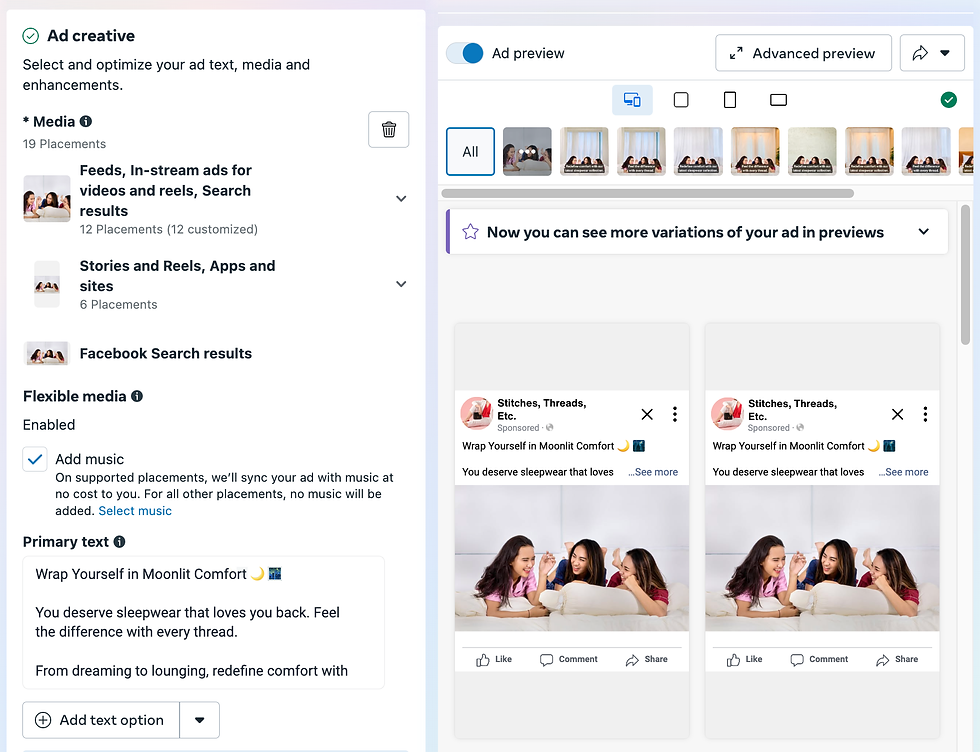
Meta Ads, on the other hand, are built for learning and improving.
You can run multiple versions of the same ad with different visuals, captions, or audiences. It’s called A/B testing, and this really helps you understand what format and what creatives work best for your brand. Over time, the platform starts identifying patterns in which the audience responds best! This is where advertising shifts from guesswork to strategy.
Conclusion
When it comes to the difference between boosting posts on Instagram and running Meta Ads, the key lies in how each approach supports your marketing goals.
Instagram boosting is ideal for increasing reach and engagement quickly, especially when you want to promote content that is already performing well. It offers a simple way to connect with a broader or local audience without complex setup.
In contrast, Meta Ads Manager provides a more advanced approach to digital advertising. It allows businesses to create targeted campaigns, optimize performance, and drive specific actions such as website visits, leads, or sales.
Rather than choosing one over the other, many brands combine both. They use boosted posts to build visibility and Meta Ads to achieve measurable business results.
Understanding how to use each effectively is what ultimately leads to better marketing performance.


Comments