
Can a logo change how we experience a product?

Most people think of a logo as a simple visual symbol. It appears on packaging, advertisements, websites, and storefront materials, helping consumers identify a brand. At first glance, a logo may seem like a branding element rather than something that influences our actual experience with a product. After all, how can a graphic symbol affect the way we feel about a snack, a smartphone, a skincare product, or a cup of tea? In short, can a logo actually define how you feel about a brand?
The answer lies in psychology. While a logo cannot physically change a product's ingredients, performance, or quality, it can significantly influence how consumers perceive and experience that product. In many cases, a logo shapes expectations before a person even interacts with the actual product or service.
The power of first impressions
People make quick judgments based on visual cues. Long before we read product descriptions or compare specifications, our brains process shapes, colors, and symbols. A logo is often one of the first things we notice about a brand, making it a powerful tool for creating impressions.
When consumers see a familiar and trusted logo, they often carry previous experiences, emotions, and assumptions into their interaction with the product. These associations can influence how they evaluate quality, reliability, and value.
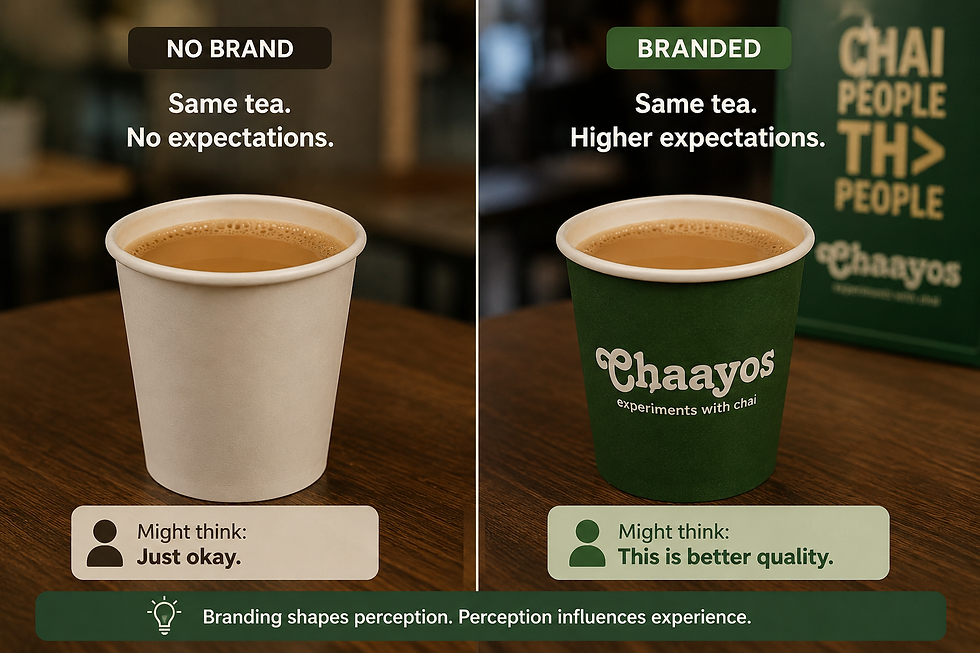
For example, imagine being offered two identical cups of tea. One is presented in a plain cup with no branding, while the other is served with branding like Chaayos or Chai Point. Even if the tea is exactly the same, many people may believe the branded option is of higher quality simply because of the expectations created by the brand identity.
This phenomenon is not unusual. Studies in consumer psychology have consistently shown that branding can influence perception, even when the actual product remains unchanged.
A logo represents more than a design

A logo is not powerful because of its artistic elements alone. Its real value comes from what it represents. Over time, brands invest heavily in advertising, customer experience, storytelling, and product quality. As consumers repeatedly interact with a brand, they begin to associate certain qualities with its logo. Eventually, the logo becomes a shortcut for those associations.
Consider Amul. When people see the Amul logo, they do not merely see a design. They often think of dairy products, trust, consistency, and the iconic advertising campaigns that have been part of Indian culture for decades. The logo carries years of accumulated meaning.
Similarly, when consumers see the logo of Tata, many associate it with reliability and trust. Whether it is a vehicle, a consumer product, or a service, the logo often influences expectations before the product itself is evaluated.
Expectations shape experience
One of the most interesting aspects of consumer behavior is that expectations can affect experience. If consumers expect a product to be premium, they are often more likely to perceive it as premium. If they expect quality, they may pay closer attention to positive aspects and overlook minor shortcomings. This is why branding plays such an important role in marketing. A logo acts as a trigger for these expectations.

Take the example of Titan. Its logo and branding have long been associated with elegance and quality. When someone purchases a Titan watch, the experience is influenced not only by the physical product but also by everything the brand represents. The logo reinforces those perceptions throughout the buying journey. The same principle applies across industries, from food and beverages to technology and personal care products.
The role of familiarity
Consumers generally feel more comfortable with brands they recognize. Familiarity creates a sense of confidence and reduces uncertainty. Imagine walking into a supermarket and choosing between two products with similar pricing and features. One belongs to a brand whose logo you have seen repeatedly in advertisements, stores, and online. The other belongs to a completely unfamiliar company. Even without detailed product knowledge, many consumers will naturally gravitate toward the familiar option.
This does not necessarily mean the familiar product is objectively better. Rather, the logo acts as a signal that reduces perceived risk.
A good example is Asian Paints. Homeowners often consider painting a major investment. The recognizable logo and long-standing brand presence can provide reassurance, making consumers feel more confident in their choice.
Can a logo compensate for a poor product?
While logos are powerful, they are not magical. A strong logo can encourage consumers to try a product once, but it cannot sustain long-term success if the product fails to meet expectations. Modern consumers share reviews, compare alternatives, and make informed decisions more easily than ever before.
A memorable logo may create curiosity, trust, or excitement for the first few interactions, but customer satisfaction ultimately depends on the actual product experience.
The most successful brands understand this balance. They use logos to communicate value and build recognition while ensuring their products consistently deliver on the promises associated with their brand identity.
Conclusion

So, can a logo change how we experience a product? In many ways, yes. A logo cannot alter a product's physical characteristics, but it can shape expectations, influence perceptions, build trust, and affect how consumers interpret their experience. It acts as a symbol of everything a brand has built over time, from reputation and quality to emotions and memories.
When people interact with products, they rarely evaluate them in complete isolation. Their judgments are influenced by context, familiarity, and previous experiences. A logo serves as a powerful cue within that process, helping shape the story consumers tell themselves about a brand.
This is why logos matter. They are not just visual identifiers. They are often the first step in shaping how a product is experienced, remembered, and valued.


Comments