
Essential marketing tools every brand needs to grow in 2026
- May 22
- 5 min read
Updated: May 26

Marketing in 2026 is no longer about being present everywhere. It is about showing up where it matters, with the right systems supporting every decision. The brands growing today are not always the ones spending the most money. They are the ones using smarter tools, clearer strategies, and better insights.
Whether you are a small business owner, a student building a personal brand, an FnB entrepreneur, or part of a growing D2C company, the tools you choose directly affect how efficiently you work and how well you connect with your audience.
1. Analytics Tools: Understanding what actually works

You cannot improve what you do not measure. Analytics tools help brands understand audience behavior, track performance, and make decisions based on data instead of assumptions.
One of the most widely used tools is Google Analytics, which helps you understand where your website visitors come from, which pages they spend time on, and what actions lead to conversions. Along with it, tools like Google Search Console and Microsoft Clarity give deeper insights into website performance and user behavior, even through their free versions.
For example, if you run a café and notice that most website traffic comes from Instagram, you instantly know where your audience is most active. On the other hand, if visitors leave your menu page quickly, it may signal unclear pricing, slow loading time, or poor design.
For a D2C skincare brand, analytics can reveal which product pages have the highest drop-off rates or which blogs bring the most organic traffic. These insights help improve both content and sales strategy.
2. Social Media Management Tools: Staying consistent without burning out
Managing multiple platforms manually can quickly become overwhelming. Social media management tools help brands schedule content, track engagement, and maintain consistency without constant stress.
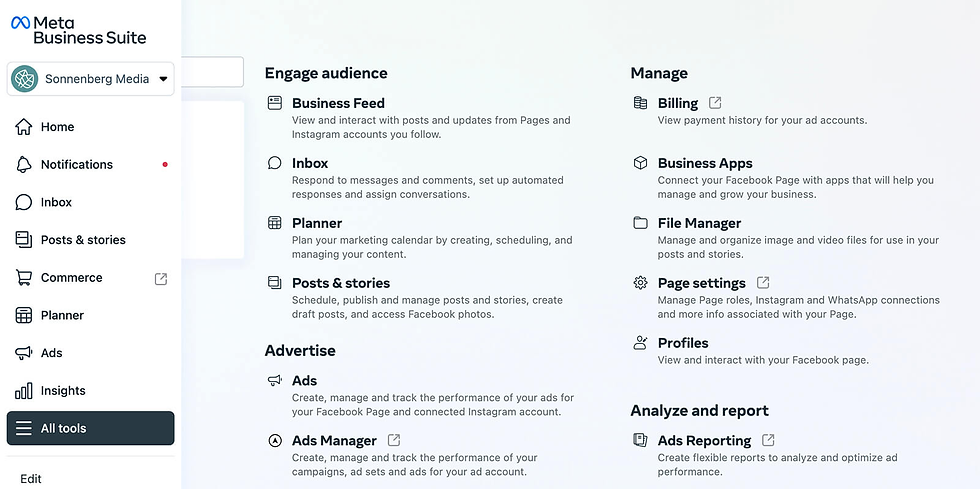
Tools like Buffer, Later, and Meta Business Suite allow marketers to plan posts in advance and manage different platforms from one dashboard. Even their free plans are useful for small businesses trying to stay consistent online.
For example, a clothing D2C brand launching a summer collection can schedule reels, carousel posts, and promotional stories for an entire week in one sitting instead of posting manually every day. This saves time while maintaining a consistent brand presence.
3. Design Tools: Making your brand visually memorable

Good design is no longer optional. In most cases, visuals create the first impression of a brand. Tools like Canva have made design accessible even to beginners. From social media creatives to presentations and simple videos, brands can now create professional-looking content without advanced technical skills. Platforms like Adobe Express and Figma also offer free features that are especially useful for startups and small businesses.
For example, a home baker can use Canva to design Instagram posts that highlight the textures and colors of desserts, instantly making the products look more premium. Strong visuals do not just attract attention, they help people remember you.
4. Content Creation and Writing Tools: Communicating clearly
Content remains one of the strongest drivers of growth, but clarity matters more than complexity. Writing and organization tools help brands create cleaner captions, sharper emails, and more engaging blogs.

Grammarly is widely used to improve grammar and readability, while Notion helps teams organize content calendars, campaign ideas, and workflows. Many marketers also use free AI tools like ChatGPT, Claude and Gemini for brainstorming ideas, structuring blogs, or drafting social media captions.
A D2C fashion brand writing product descriptions needs clear communication more than fancy wording. Customers want to quickly understand fit, fabric, and comfort.
5. Customer Relationship Management Tools: Building long-term connections

Marketing is not only about attracting customers, it is also about retaining them. CRM tools help businesses track customer interactions, manage leads, and automate communication. Platforms like HubSpot and Zoho CRM offer free plans that help smaller businesses manage customer relationships more efficiently without needing large sales teams.
For example, a fitness studio can track trial class sign-ups and automatically send reminders or membership offers. Also, a D2C coffee brand can use CRM systems to remind customers when it is time to reorder based on previous purchase cycles. This creates a smoother customer experience while increasing repeat purchases.
6. Email Marketing Tools: Direct and personal communication

Social media algorithms change constantly, but email continues to be one of the most reliable ways to reach your audience directly. Platforms like Mailchimp, Brevo, and MailerLite help brands send newsletters, launch announcements, promotional offers, and personalized recommendations. Their free versions are often enough for growing brands building their first customer communities.
For example, an online bookstore can send reading recommendations based on previous purchases, creating a much more personal experience than a generic advertisement. Similarly, a cloud kitchen can send weekend combo offers or festive meal updates directly to loyal customers who already enjoy the brand.
7. Advertising Tools: Scaling what already works
Organic growth builds credibility, but advertising helps brands scale faster when used strategically.
Platforms like Meta Ads Manager and Google Ads allow businesses to target specific audiences based on interests, behavior, and search intent. Even free tools like Google Ads Keyword Planner help marketers understand audience trends before spending money on campaigns.
For example, a buffet restaurant can target users searching for “team outing places” or “buffet near me,” reaching people already interested in dining experiences. The smartest brands do not promote random content, they amplify content that is already performing well organically.
8. SEO Tools: Helping people discover you

Search Engine Optimization helps brands appear when people are actively searching for products, services, or solutions. SEO tools help identify keywords, track rankings, and analyze competitors. Platforms like Ubersuggest, Google Keyword Planner, and AnswerThePublic are widely used because they offer valuable free insights for content planning.
For example, a skincare brand ranking for keywords like “best sunscreen for oily skin” can consistently attract high-intent customers without relying entirely on paid ads. SEO is slower than ads, but its impact lasts longer.
9. Collaboration Tools: Keeping teams aligned
As brands grow, teams become larger and workflows become more complex. Without proper communication systems, even strong ideas can get delayed. Collaboration tools help teams stay organized, assign responsibilities, and track progress in real time. Platforms like Slack, Trello, and ClickUp are commonly used because their free versions work well for small teams and startups.
For example, a marketing team working on a product launch can use Trello to assign tasks, set deadlines, and monitor campaign progress without relying on scattered messages.
An FnB brand managing shoots, influencer collaborations, and menu launches can use Slack channels to keep conversations centralized and clear.
Conclusion
Tools alone do not build successful brands. People using them thoughtfully do. In 2026, the biggest difference between brands that grow and brands that struggle is not access to resources. It is how intentionally those resources are used.
You do not need every tool from the beginning. Start with the ones that solve your current challenges, then expand as your brand grows because marketing today is not about doing everything. It is about doing the right things a little better, consistently over time.


Comments