
Digital marketing strategies for a D2C brand

The rules of digital marketing for D2C brands have changed dramatically over the last few years. Not long ago, a strong website, a healthy advertising budget, and an active social media presence were enough to build an online brand. Today, however, consumers interact with brands very differently. They no longer rely on a single Google search or a Facebook advertisement before making a purchase. Instead, they move across multiple digital touchpoints, asking ChatGPT for recommendations, watching product reviews on Instagram, comparing opinions on Reddit, and exploring YouTube before finally deciding what to buy.
This shift has transformed the way D2C brands approach marketing. Digital success is no longer determined by who spends the most on advertising, but by who builds the most trust throughout the customer journey. The brands growing consistently today are those that educate consumers, create authentic conversations, leverage creators effectively, and continue nurturing customers long after the first purchase.
Search is no longer just about google
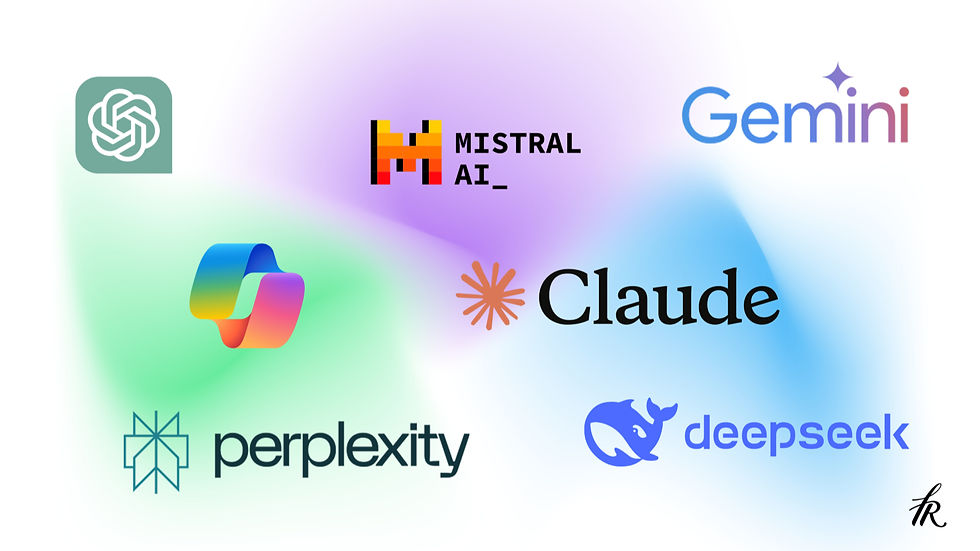
Search remains one of the most important discovery channels, but the way consumers search has evolved. Instead of typing short keywords into Google, many users now ask conversational questions to AI-powered platforms such as ChatGPT, Gemini, and Perplexity. Even Google itself is increasingly delivering AI-generated summaries through AI Overviews, reducing the number of users who click through to individual websites.
This shift has given rise to Generative Engine Optimization (GEO), an emerging discipline that focuses on making brand content visible within AI-generated responses. While traditional SEO is still essential, ranking on Google's first page is no longer the only objective. Brands now need to create content that AI systems recognise as trustworthy, well-structured, and informative.
For D2C businesses, this means moving beyond keyword-heavy blogs and investing in content that genuinely answers customer questions. Buying guides, comparison articles, ingredient explainers, troubleshooting guides, and frequently asked questions are becoming increasingly valuable because they help consumers make informed decisions while also increasing the likelihood of being referenced by AI-powered search tools.

This is where brands like Fix My Curls stand out. Rather than filling their website with promotional content, they have built an extensive library of educational resources around textured hair. Their blogs and social content explain curl types, hair porosity, styling techniques, and product routines, helping consumers understand their hair before recommending products. By solving problems first and selling second, they position themselves as a trusted authority rather than simply another haircare brand.
Education is becoming the most powerful marketing tool
One of the biggest challenges for many D2C brands is that they are often introducing consumers to entirely new categories or habits. In these cases, education becomes far more effective than promotion.
Consumers are unlikely to purchase a product they don't fully understand, regardless of how attractive the advertisement may be. That's why successful brands spend time answering questions, addressing misconceptions, and explaining why their products exist in the first place.
A great example is Phitku. Instead of positioning itself as just another deodorant brand, Phitku focuses on educating consumers about natural underarm care and alum-based roll-ons. Since many shoppers are unfamiliar with the concept, the brand uses educational content to explain the differences between conventional deodorants and alum-based alternatives, helping consumers understand the category before asking them to make a purchase.
This approach reduces hesitation, builds confidence, and ultimately creates better-informed customers. Rather than treating content as a sales tool, brands should think of it as a customer education platform that supports every stage of the buying journey.
Communities are replacing audiences
For years, brands measured social media success by the number of followers they gained. Today, that metric matters far less than the quality of engagement those followers generate.
Consumers don't follow brands simply to see product photographs. They follow brands that consistently provide value, represent shared interests, or create conversations that resonate with their everyday lives. This is why community-building has become one of the strongest competitive advantages for D2C businesses.

Moxie Beauty is an excellent example of this shift. Instead of using social media solely as a product catalogue, the brand has created a space where people with textured hair can learn, share experiences, and discover routines tailored to their specific hair needs. Educational reels, relatable storytelling, and customer transformations help the brand create meaningful interactions rather than one-sided promotional messages.
When customers begin interacting with each other instead of simply reacting to a brand, social media evolves into a genuine community. These communities often become the brand's strongest source of referrals, customer feedback, and repeat purchases.
Influencer marketing has evolved into creator-led storytelling

Influencer marketing remains one of the most effective strategies for D2C brands, but the way brands collaborate with creators has changed significantly.
Earlier campaigns often focused on celebrity endorsements and follower counts. Today, brands are far more interested in authenticity. Consumers are more likely to trust creators who genuinely demonstrate how a product fits into their daily lives than highly polished advertisements featuring celebrities.
This shift has also increased the importance of User-Generated Content (UGC). Whether created by customers or dedicated UGC creators, authentic product demonstrations, testimonials, and everyday experiences often perform better than professionally produced commercials because they feel more relatable and trustworthy.
One of the earliest Indian D2C brands to recognise the value of creator-led marketing was Mamaearth. Rather than relying solely on celebrity campaigns, the brand collaborated extensively with parenting, beauty, and lifestyle creators who naturally integrated products into their content. These partnerships not only expanded the brand's reach but also generated a large library of authentic content that could be repurposed across paid advertisements, product pages, and social media campaigns.
Today, many D2C brands evaluate creator partnerships not only by impressions or engagement but also by the quality of UGC they generate for future marketing efforts.
Performance marketing is becoming more strategic

Paid advertising continues to play an important role in customer acquisition, but rising acquisition costs have forced brands to rethink how they approach performance marketing.
Rather than scaling campaigns simply by increasing budgets, successful D2C brands continuously experiment with creative formats, messaging, audience segments, and creator content to improve campaign performance. Creative testing has become just as important as audience targeting because consumers respond differently to different styles of communication.
At the same time, marketers are paying closer attention to business metrics that reflect long-term profitability rather than short-term campaign performance. Customer Acquisition Cost (CAC), Customer Lifetime Value (CLV), repeat purchase rate, and Marketing Efficiency Ratio (MER) have become far more meaningful indicators of sustainable growth than Return on Ad Spend (ROAS) alone.
The objective is no longer just to acquire customers but to acquire the right customers who continue purchasing over time.
Customer retention is the real growth engine
For many D2C brands, the first purchase is only the beginning of the customer relationship. Sustainable growth comes from encouraging customers to return, recommend the brand, and become long-term advocates.
This is where first-party customer data becomes invaluable. Every website visit, purchase, email subscription, quiz response, or product review provides insights that can help brands personalise future interactions.
Email marketing, WhatsApp communication, loyalty programmes, refill reminders, and personalised product recommendations all contribute to a stronger post-purchase experience. Instead of sending the same promotional message to every customer, brands can deliver timely and relevant communication based on previous purchases and customer preferences.
As privacy regulations continue to evolve and third-party tracking becomes less reliable, first-party data will become one of the most valuable assets any D2C business can own.
Conclusion
Digital marketing for D2C brands is no longer about mastering individual channels in isolation. Success today depends on creating a connected customer experience where every touchpoint, from AI search and educational content to creator collaborations and post-purchase communication, works together to build trust.
Brands that continue relying solely on paid advertising and promotional campaigns may find it increasingly difficult to stand out in a crowded marketplace. In contrast, businesses that invest in education, build engaged communities, create authentic content, and prioritise customer relationships are far more likely to achieve sustainable growth.
As consumer behaviour continues to evolve, the most successful D2C brands won't necessarily be those with the biggest marketing budgets. They'll be the brands that consistently answer questions, solve problems, and earn trust, long before a customer decides to click "Buy Now."


Comments